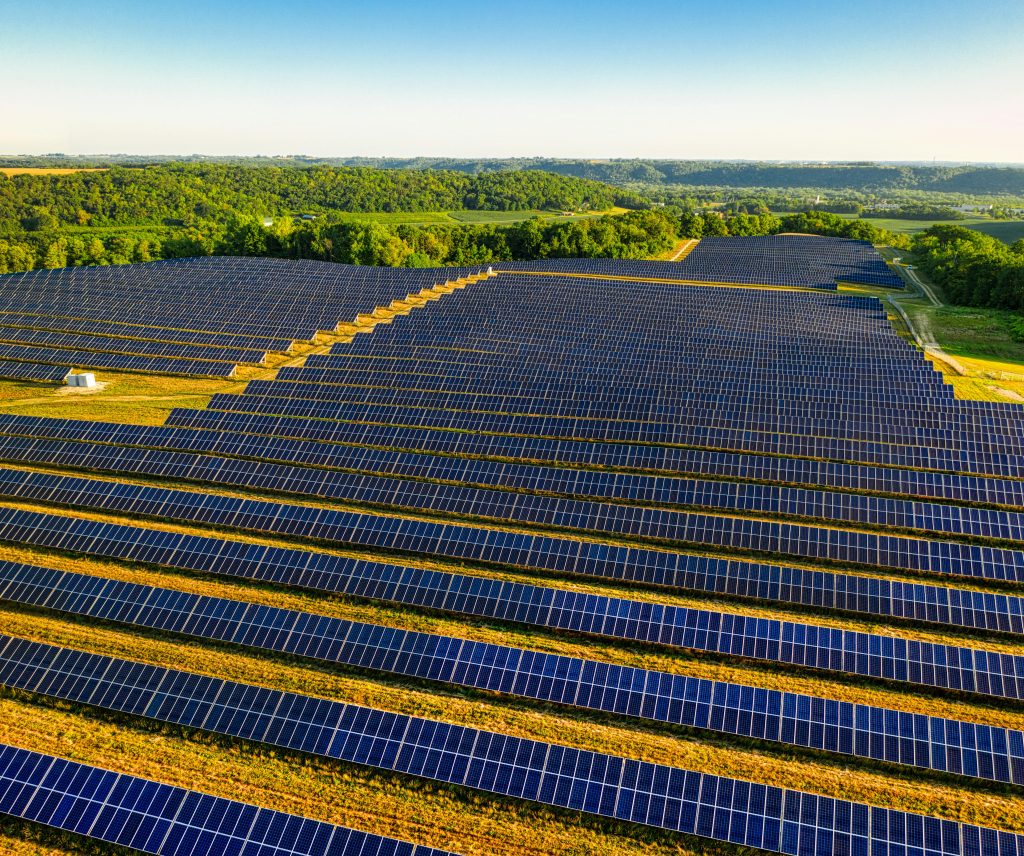
Construction processes in energy projects above 500 MW differ significantly from standard-scale projects in terms of complexity, scale and technical requirements. These projects require advanced engineering planning, strong site organization and seamless coordination across multiple disciplines.
In large-scale energy investments, success is not only defined by technical capability, but also by the balanced management of time, cost and quality.
These construction processes in energy projects require precise planning, coordination and execution at every stage.
Pre-Engineering and Planning in Construction Processes in Energy Projects
Construction processes in 500 MW energy projects involve high levels of risk and complexity depending on site conditions. Therefore, project management must proceed in a structured and disciplined manner starting from the planning phase.
The most critical stage of the construction process is the engineering and planning activities conducted before site operations begin. These include:
- Geotechnical surveys
- Topographic analysis
- Site layout planning
- Evaluation of climatic and environmental data
Any incomplete or inaccurate assessments at this stage can lead to serious time delays and cost overruns in later phases. Therefore, in large-scale projects, planning forms the foundation of the entire investment.
Site Preparation in Construction Processes in Energy Projects
At the beginning of the construction phase, the site is prepared according to project requirements. This stage includes:
- Excavation and leveling works
- Internal road and access infrastructure
- Installation of drainage systems
- Construction of temporary site facilities
In large-scale solar energy projects, site preparation constitutes a significant portion of the overall timeline. Proper planning at this stage directly impacts the efficiency of subsequent installation processes.
Logistics Management in Construction Processes in Energy Projects
In projects exceeding 500 MW, logistics management is one of the most critical components of the construction process. This includes:
- High-volume equipment transportation
- Heavy-load logistics operations
- International supply chain coordination
Integrating logistics planning with construction activities ensures uninterrupted workflow on-site. Otherwise, equipment delays can directly impact the project schedule.
Mechanical and Electrical Installation in Energy Project Construction Processes
Following site preparation, core construction and installation activities begin. These include:
- Installation of structural systems
- Assembly of energy generation equipment (panels, turbines, etc.)
- Electrical infrastructure setup (cabling, substations, inverter systems)
At this stage, maintaining quality control alongside schedule adherence is essential. In large-scale projects, preserving quality standards directly affects long-term system performance.
Testing and Commissioning in Construction Processes in Energy Projects
Once construction and installation are completed, comprehensive testing is conducted before commissioning the facility:
- System integration tests
- Performance measurements
- Grid connection and synchronization processes
This phase ensures not only that the facility is operational, but also that it performs in accordance with design specifications.
Risk Management in Construction Processes in Energy Projects
The main risks encountered in large-scale energy projects include:
- Inadequate planning and coordination
- Logistics delays
- Unpredictable site conditions
- Lack of communication between disciplines
To minimize these risks, project management processes must be handled with a holistic approach.
Conclusion
Energy projects exceeding 500 MW are complex investments that require advanced engineering capabilities and strong organizational structures. Success in these projects depends on accurate planning, effective site management and coordinated execution across all disciplines.
As KCE Group, we continue to operate in large-scale energy projects with an integrated and disciplined approach.
Effective construction processes in energy projects are essential for ensuring long-term performance and investment sustainability.