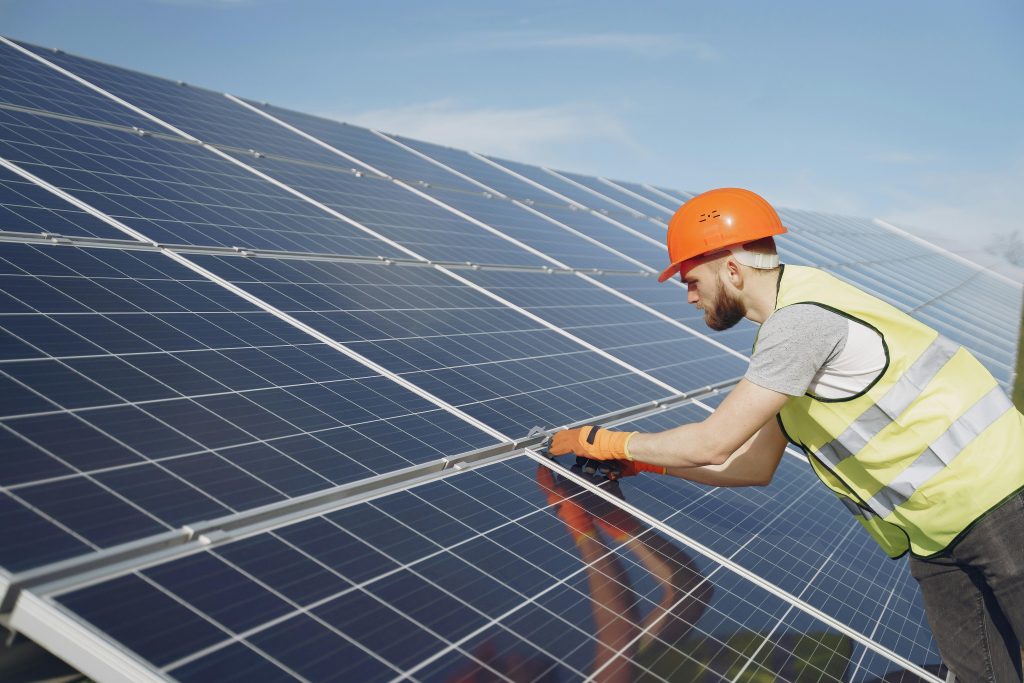
Construction quality in energy projects is a strategic factor that directly determines project lifespan, operational efficiency and investment security. In large-scale EPC projects, compromising on construction quality can lead to long-term performance losses and significant financial risks.
Energy projects do not create value solely through installed capacity, but through their long-term performance. The success of a power plant depends not only on technology and financing, but also on the quality of construction.
1. The Foundation of Long-Term Performance
Construction quality in energy projects is the starting point for achieving long-term operational targets of 20–30 years.
From ground preparation to structural systems, and from cabling infrastructure to site layout, every detail directly impacts long-term performance.
Low-quality construction leads to:
- Increased failure rates
- Energy production losses
- Higher maintenance costs
2. Investment Security and Financial Risks
Energy investments require significant capital, making risk management a top priority for investors.
Poor construction practices can result in:
- Project delays
- Failures outside warranty scope
- Unexpected revision costs
These issues weaken financial models and extend the return-on-investment period.
3. Construction Quality in Challenging Regions
In EPC projects located in regions such as Central Asia, Africa or high-altitude areas, construction quality becomes even more critical.
Harsh climate conditions, complex logistics and varying local standards require:
- Strong engineering approaches
- High implementation discipline
For further insights, explore our article on
4. Impact on Efficiency and Energy Production
Construction quality directly affects energy generation efficiency.
In solar and wind projects, even minor errors such as:
- Panel misalignment
- Structural tolerance deviations
- Electrical infrastructure issues
can lead to significant production losses and reduced annual revenue projections.
5. Impact on Operation and Maintenance
High-quality construction provides long-term operational advantages:
- Better accessibility
- Modular design efficiency
- Easier maintenance processes
In contrast, poorly executed projects result in:
- Longer intervention times
- Difficult fault detection
- Increased operational costs
6. The Role of Experience
Construction quality in energy projects is not achieved through specifications alone, but through field experience.
Experience across different geographies and project types enables:
- Early risk identification
- Timely implementation of correct solutions
In large-scale projects, this experience often becomes the defining factor of success.
At KCE Group, through Kayen Energy, we have successfully completed 37 turnkey EPC projects across cities such as Kayseri, Konya, Denizli, Ankara, Gaziantep, Şanlıurfa, Sivas, Erzincan, Balıkesir, İzmir, Nevşehir and Afyon.
With a total installed capacity of 73.21 MWp, these projects demonstrate our ability to maintain consistent construction quality across different climates and site conditions.
Explore our references
Frequently Asked Questions
How is construction quality measured in energy projects?
Construction quality is assessed through:
Material testing
On-site inspection reports
ISO 9001 compliance
Independent engineering evaluations
How does poor construction affect energy plant performance?
Industry data shows that power losses in solar projects have increased significantly.
According to analyses covering 125 GW across 41 countries, average losses have nearly tripled between 2019–2023.
Studies also indicate that over 80% of inspected sites show manufacturing or installation defects.
Who is responsible for quality management in EPC projects?
Quality management is primarily the responsibility of the EPC contractor.
However, project owners and financial institutions often appoint independent engineers to monitor construction processes.
How can construction quality be maintained in challenging regions?
To maintain quality in regions such as Central Asia or Africa:
Experienced field engineers
Proper material selection
Strong supply chain management
are essential.
Conclusion
Construction quality in energy investments is a strategic factor that directly shapes project lifespan, efficiency and financial success.
Compromising quality for short-term cost advantages leads to significantly higher long-term losses.
For successful EPC projects, construction processes must be treated as a strategic priority, just like financing and technology.
Construction quality in energy projects must be evaluated as a long-term strategic priority rather than a short-term cost factor. Ensuring consistent quality standards throughout the EPC process directly contributes to sustainable performance and operational reliability.