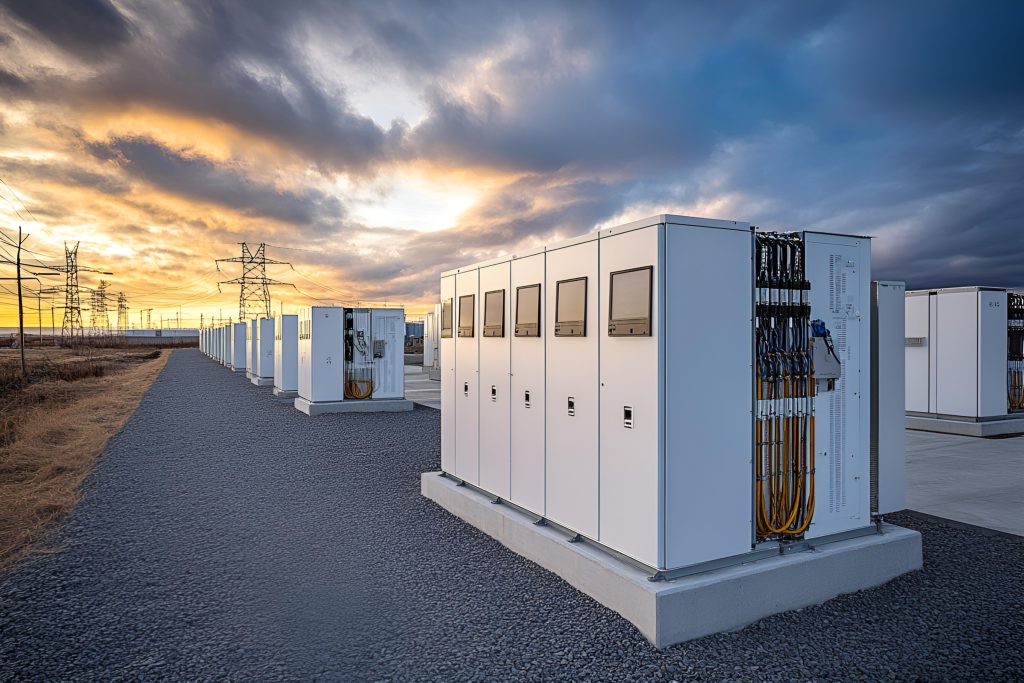
Energy storage systems (ESS) have become an indispensable part of modern energy projects, particularly as intermittent sources like solar and wind continue to expand. However, the real value of a BESS solution lies not only in technology selection, but in proper energy storage integration on site. In this article, we walk through the key steps of integrating energy storage systems in the field — from engineering to commissioning.
1. Project Design and Needs Assessment
Everything begins with asking the right questions: What is the energy storage system designed to do? Grid balancing, peak demand reduction, or renewable generation optimization — each scenario directly determines the system’s capacity (MWh), power output (MW), and operating model. Battery technology (LFP, NMC, etc.) and inverter architecture are also defined at this stage.
2. Site Layout and Physical Integration
Battery storage systems are typically delivered as containerized solutions — but the process is far more complex than plug-and-play. Ground bearing capacity and site leveling, fire safety clearances, cable routing, and proximity to the transformer and switchgear must all be carefully planned. Proper site layout is critical not only for efficiency but also for operational safety.
3. Electrical Integration and Grid Connection
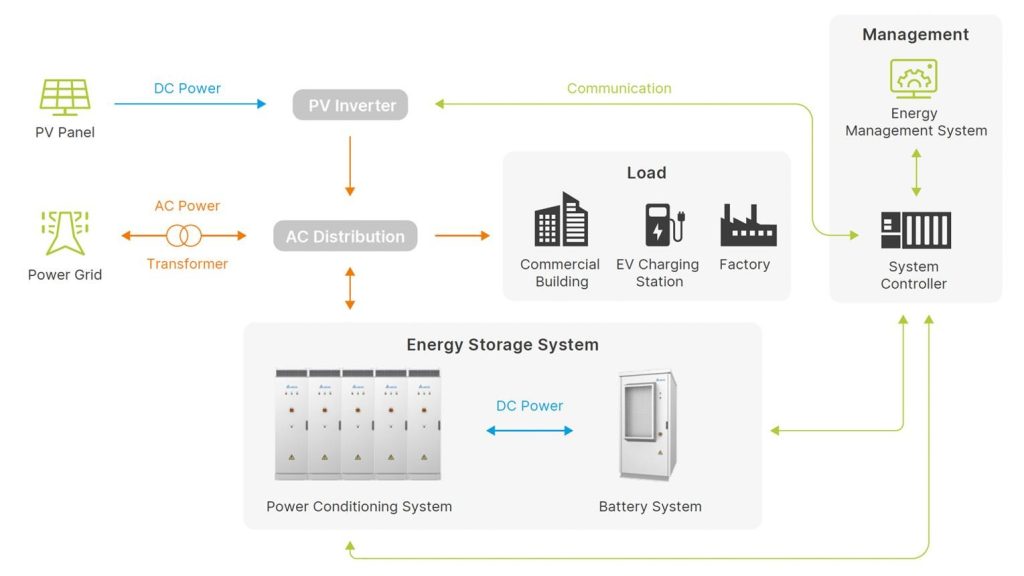
Grid integration is the heart of any storage system. The PCS (Power Conversion System) converts DC energy to AC, while the transformer adjusts voltage levels to match grid requirements. Protection systems — relays, circuit breakers, and SCADA integration — ensure safe operation. When the storage system is integrated with an existing solar plant, synchronization and load sharing require advanced engineering.
4. Control Systems and Software Integration
Energy storage installation is not just about hardware — it also demands a robust software infrastructure. EMS (Energy Management System), BMS (Battery Management System), and SCADA integration work together to optimize charge/discharge scheduling, protect battery lifespan, and respond in real time to grid demands. In large-scale projects, improper software integration can significantly degrade system performance.
5. Testing, Commissioning and Optimization
Commissioning is one of the most critical phases after installation is complete. Function tests, safety scenario simulations, and grid synchronization tests are rigorously applied throughout this process. The performance monitoring and optimization phase that follows commissioning directly impacts the return on investment.
As Kayen Energy, operating under KCE Group, we have completed 37 turnkey EPC projects across 12 cities in Turkey, reaching a total installed capacity of 73.21 MWp. We execute energy storage integration processes to the highest engineering standards.
Frequently Asked Questions
What is the difference between ESS and BESS?
ESS is a broad term covering all forms of energy storage — mechanical, chemical, and electrical. BESS (Battery Energy Storage System) specifically refers to battery-based storage. In modern energy projects, BESS is the most widely preferred ESS type due to its fast response time and high energy density.
How are energy storage systems integrated with solar projects?
In solar projects, BESS integration is achieved through a PCS connected to the AC distribution line from the PV inverter output. The EMS stores excess solar generation and dispatches it when grid demand peaks — enabling continuous, optimized energy management.
How do BMS and EMS differ?
BMS (Battery Management System) monitors battery cells at the individual level — controlling parameters such as temperature, voltage, and state of charge to protect battery lifespan. EMS (Energy Management System) operates at a higher level, coordinating charge/discharge scheduling, grid synchronization, and load optimization across the entire system.
What are the most common mistakes in energy storage installation?
Incorrect site layout, insufficient fire safety clearances, voltage mismatches between PCS and transformer, and incomplete software configuration are among the most frequent issues. The vast majority of these errors can be prevented through experienced engineering teams and thorough pre-design processes.
Conclusion
Integrating energy storage systems on site is a serious multidisciplinary engineering process — far beyond simple equipment installation. With proper planning, strong field execution, and experienced teams, BESS projects deliver flexibility, reliability, and maximum performance to energy investments.
In today’s energy landscape, the differentiator is no longer just generation — it’s the ability to manage energy at the right time, in the right way. Energy storage systems are at the center of this transformation.